Lion
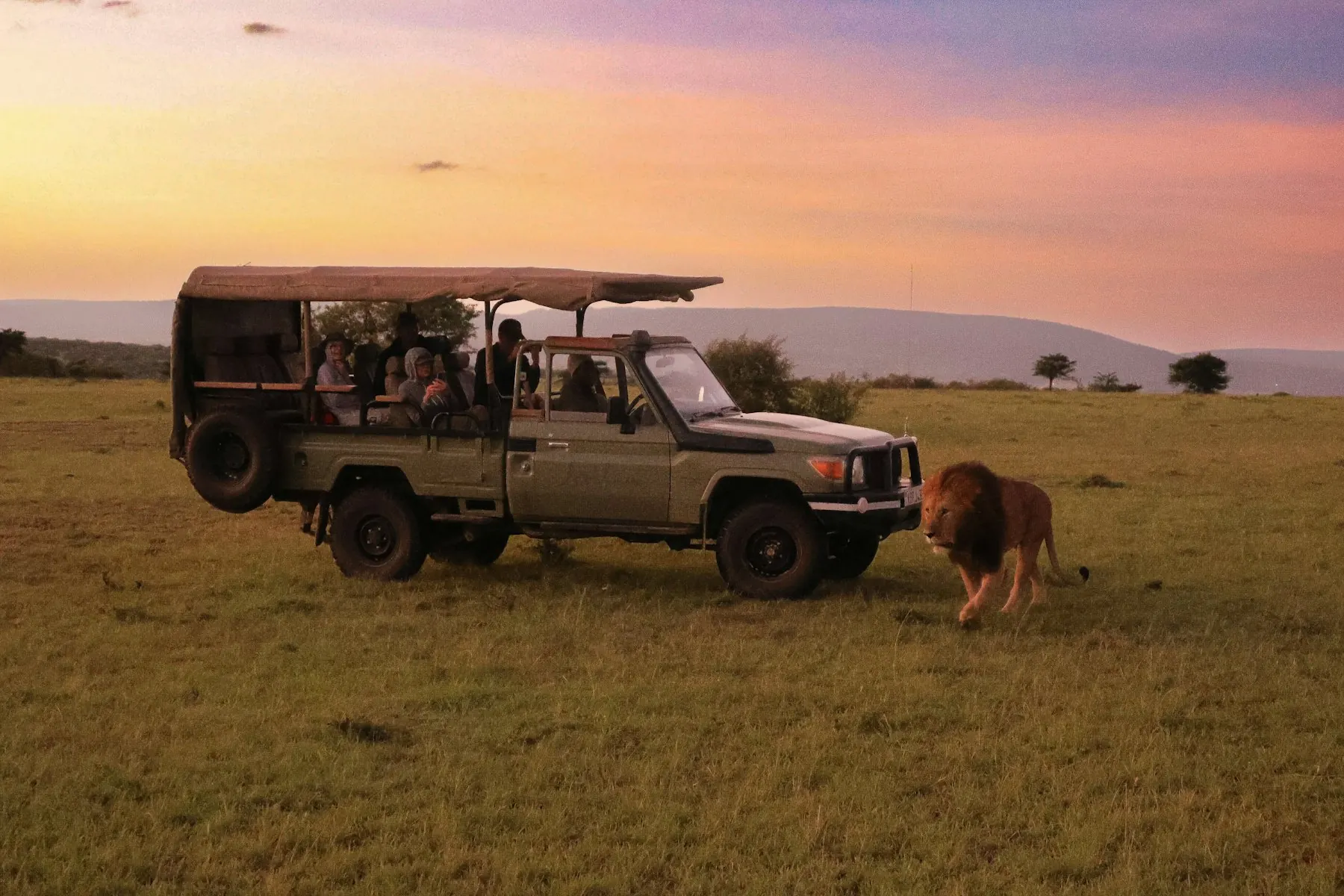
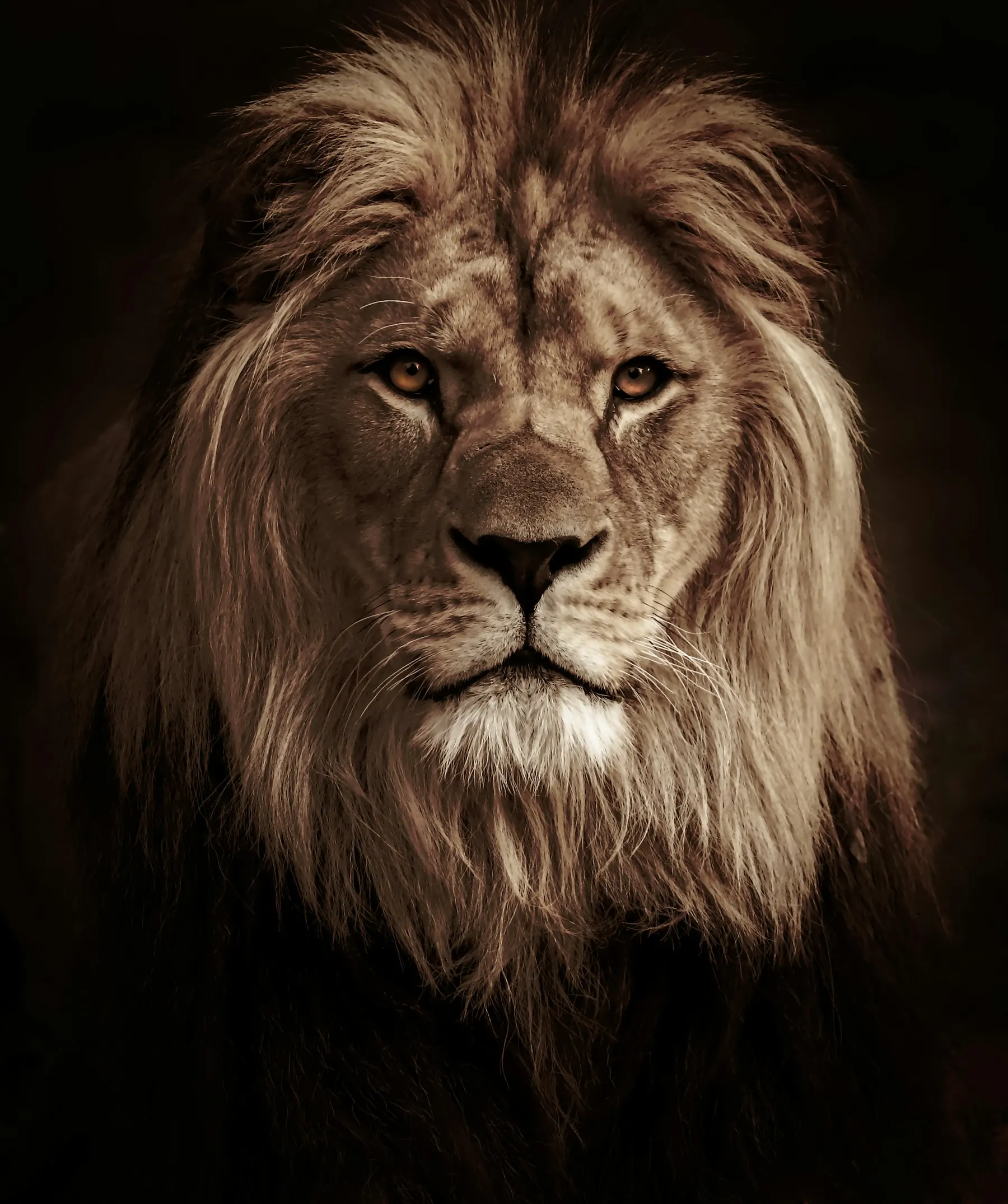
The easiest of the five. The Masai Mara has one of the highest lion densities anywhere in Africa, and prides are habituated to vehicles, which means they behave naturally rather than moving off. Amboseli, Tsavo and Nakuru all hold lion too.
In the Mara in a normal three-day stay, seeing lion on every game drive is the expectation rather than the hope. Tsavo's lions are famous for the maneless males of the region's history and are harder to find in the thicker bush.
Leopard
The one that decides whether you complete the list. Leopards are solitary, largely nocturnal and superbly camouflaged, and a sighting is often a tail hanging from a branch two hundred metres away.
The riverine forest along the Mara and Talek rivers is the best leopard habitat in Kenya, and the conservancies bordering the reserve improve your odds again, because night drives and off-road access are permitted there and are not inside the reserve itself. Samburu's river forest is another strong option.
Budget three nights in leopard country and go out at first light. Guides talk to each other on the radio, and most leopard sightings that guests remember started with somebody else's call.
Elephant
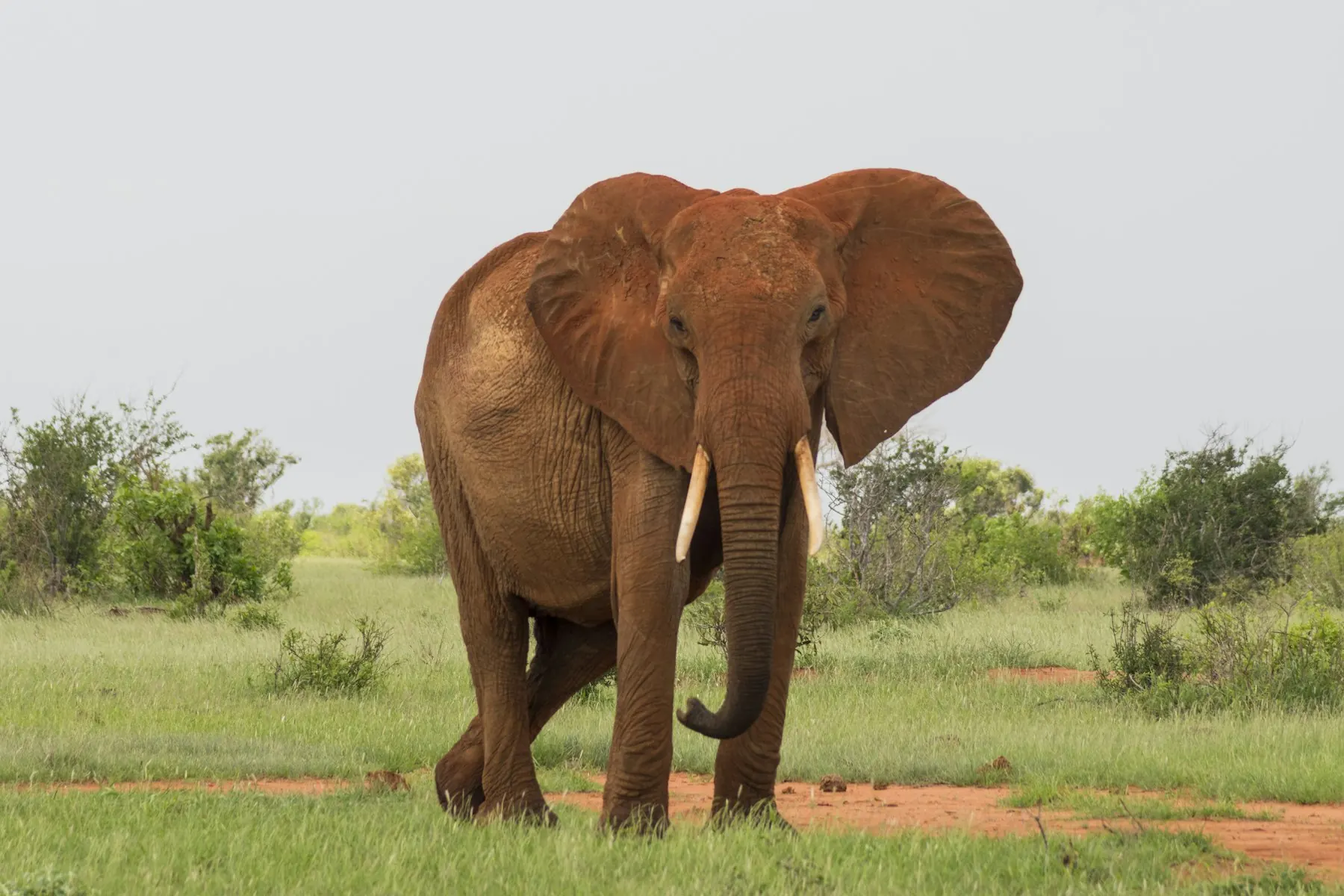
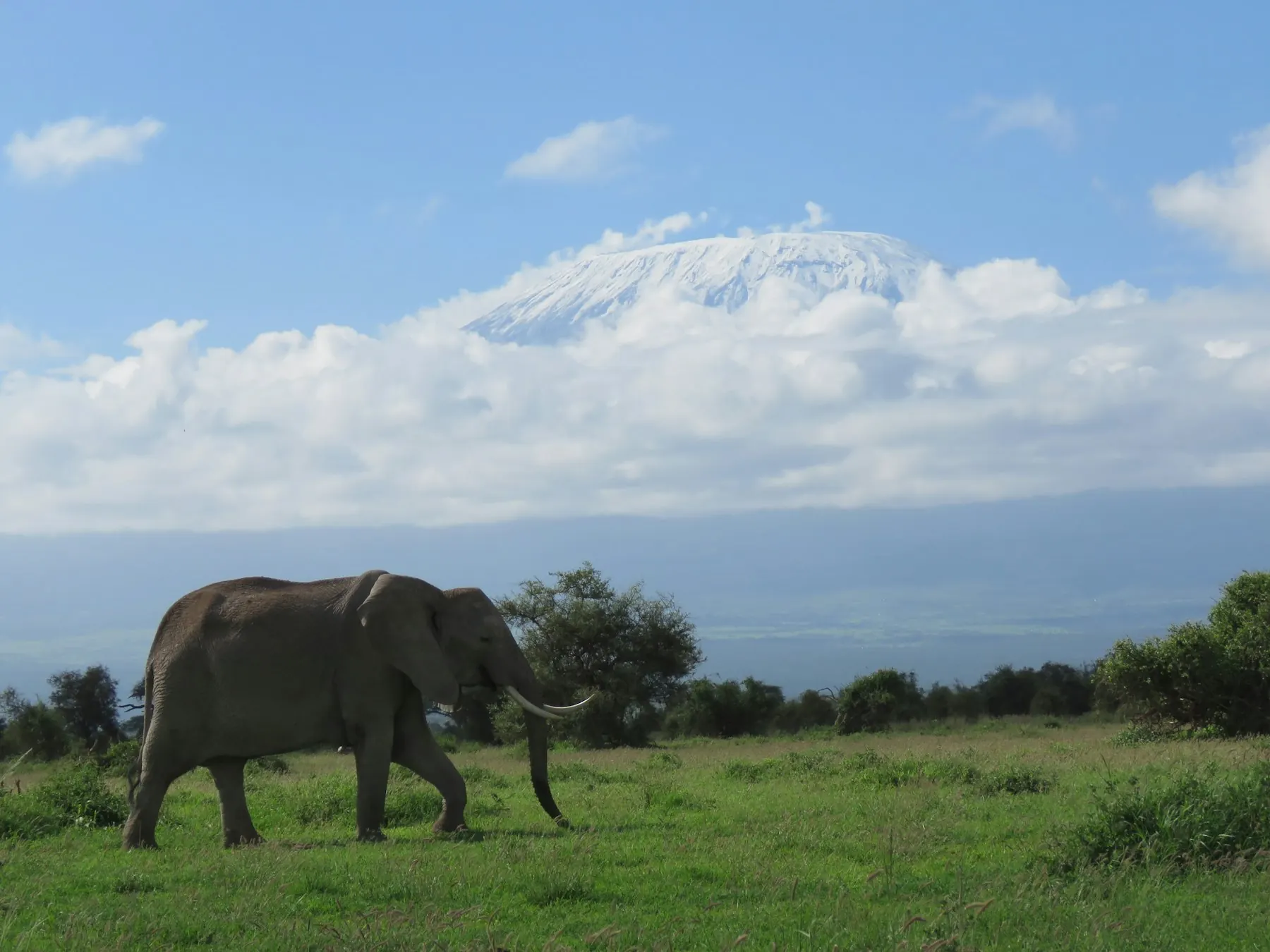
Amboseli is the place. It holds some of the best-studied elephant families in the world, the swamps concentrate them in the open, and on a clear morning Kilimanjaro sits behind them. Tsavo's elephants are the red ones, coated in the park's distinctive dust.
You will also see elephant in the Mara, Samburu and Tarangire if your route crosses the border. This is not an animal you need to plan around.
Buffalo
The least glamorous of the five and the one nobody plans a trip around. Cape buffalo are common across almost every Kenyan park, in herds that can run to several hundred. You will see them, probably on day one, and you will stop looking for them by day two.
Old solitary bulls are worth a proper look. They are also, statistically, among the most dangerous animals in Africa, which is how the list was drawn up in the first place.
Rhino
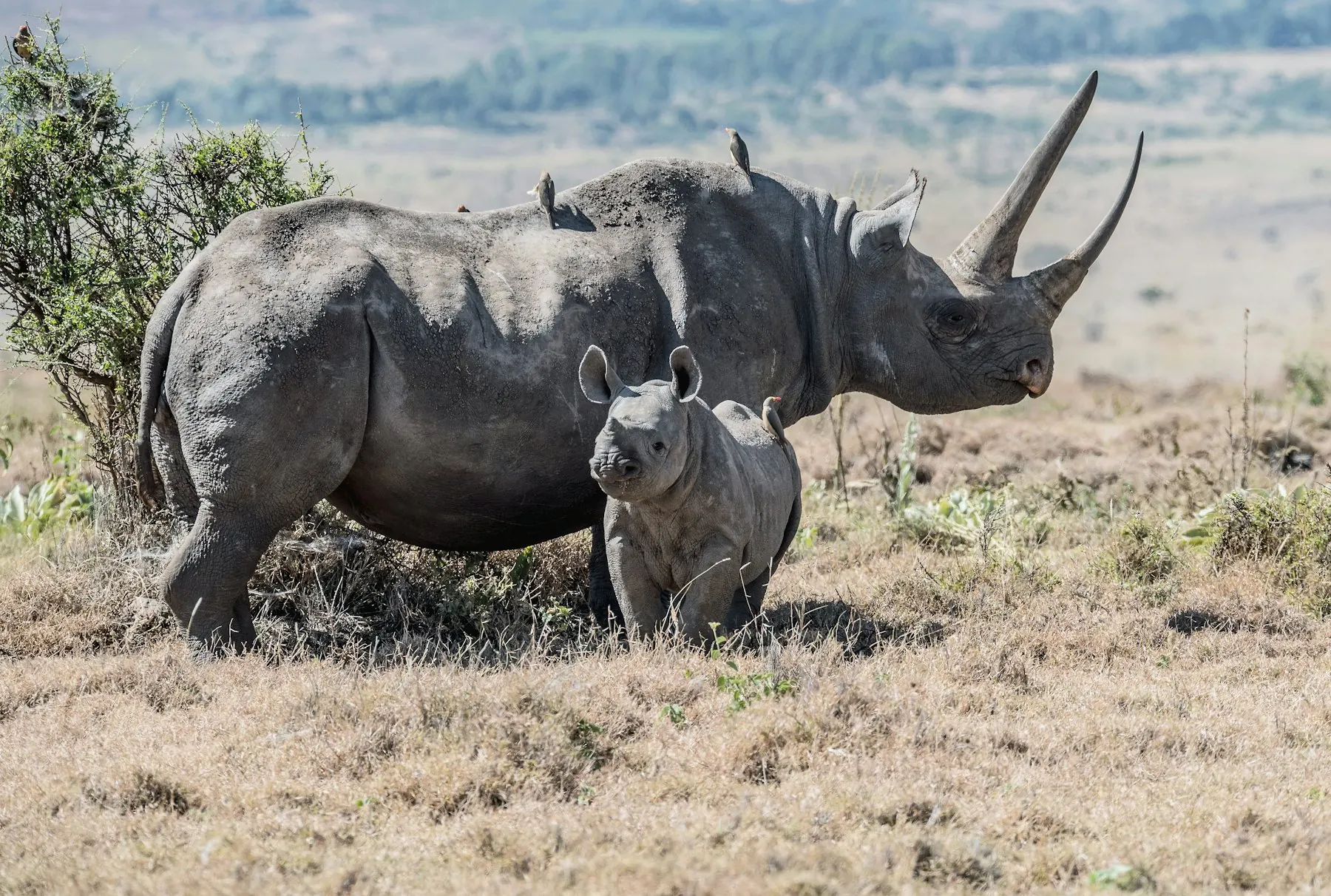
The one that needs a specific stop on the route. Kenya has both black and white rhino, and both are heavily protected in a small number of places.
Lake Nakuru National Park is the most reliable and the easiest to slot into a Mara route: white rhino graze in the open near the lakeshore and black rhino are present in the acacia woodland. Ol Pejeta Conservancy in Laikipia holds the largest black rhino population in East Africa and is home to the last two northern white rhinos on earth.
The Mara has a small black rhino population and sightings are genuinely rare. If completing the five matters to you, put Nakuru or Ol Pejeta in the itinerary rather than hoping.
If the Big Five is the goal, the route needs a rhino stop. Nakuru or Ol Pejeta, not the Mara.
A route that gets all five
Compress it into four days and you will probably get four of the five. Leopard is almost always the one that is missing.
- Two nights Lake Nakuru or Ol Pejeta: rhino, plus lion and buffalo.
- Three nights Masai Mara or a bordering conservancy: lion, leopard, buffalo, elephant.
- Two nights Amboseli: elephant at their best, with Kilimanjaro behind them.
- That is a seven-day trip with sensible driving legs and a genuine chance at all five.
A word on how they are found
Our guides do not chase, bait, or crowd animals, and they do not break park rules on off-road driving to put you closer to a cat. Beyond the ethics, it is counterproductive: a pressured animal moves away and the sighting ends.
A good guide reads tracks, listens to alarm calls and knows where a particular pride was yesterday. That is what actually finds animals, and it is why the same three days can produce very different trips.